
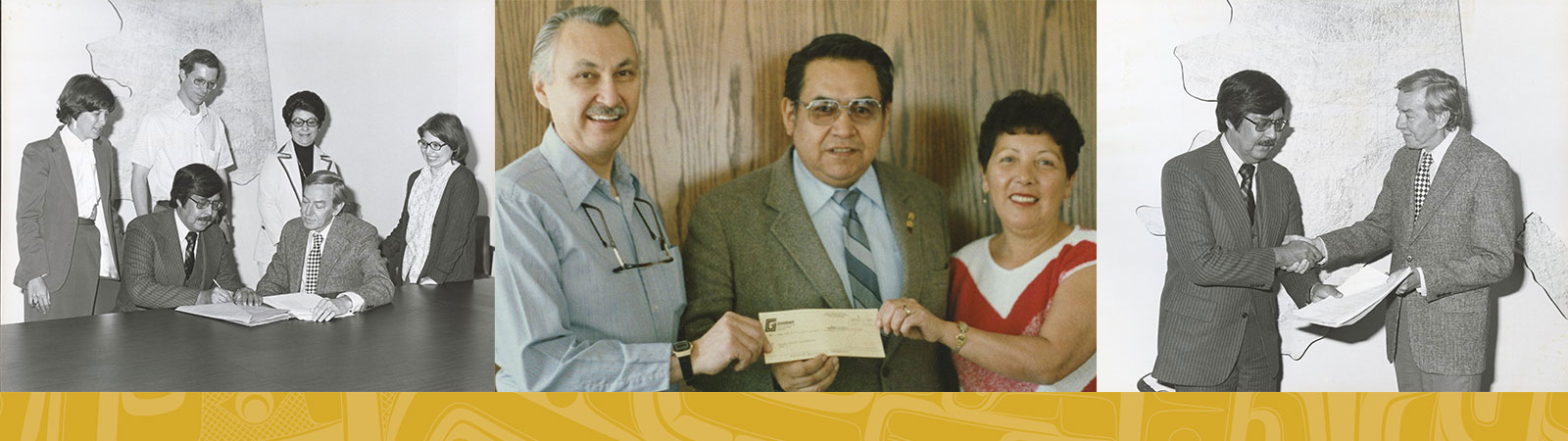
This website is to preserve and share Goldbelt’s rich historical and cultural heritage, providing valuable insights for shareholders, the local community, and future generations. The digital archives is a brief look into our past, and the information you see is added due to historical and/or cultural significance, uniqueness and/or rarity of the material, and high audience interest and demand for the material.
Historical Timeline
On December 18, 1971, Congress enacted the Alaska Native Claims Settlement Act (ANCSA) with the aim of addressing historical Indigenous land claims. This legislation allocated approximately 44 million acres of land and roughly $1 billion in resources to Alaska Native corporations.
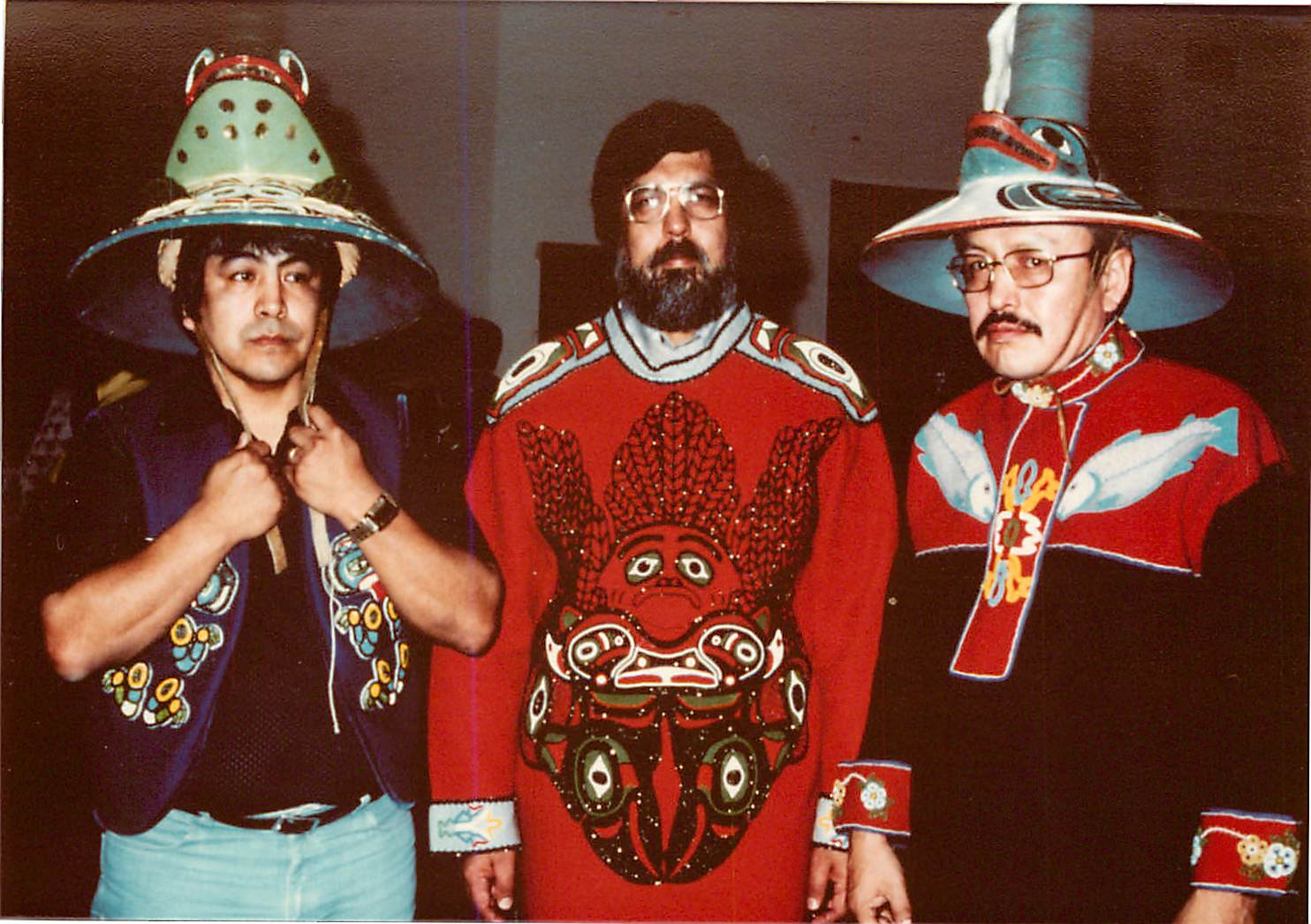
In 1973, Goldbelt, Inc. was established to manage land and distribute benefits to shareholders. Alaska Natives who were born on or before December 18, 1971 could enroll. Goldbelt’s original shareholders numbered 2,722. Today, there are more than 4,200 Goldbelt shareholders. On January 4, 1974, Goldbelt filed the Articles of Incorporation.
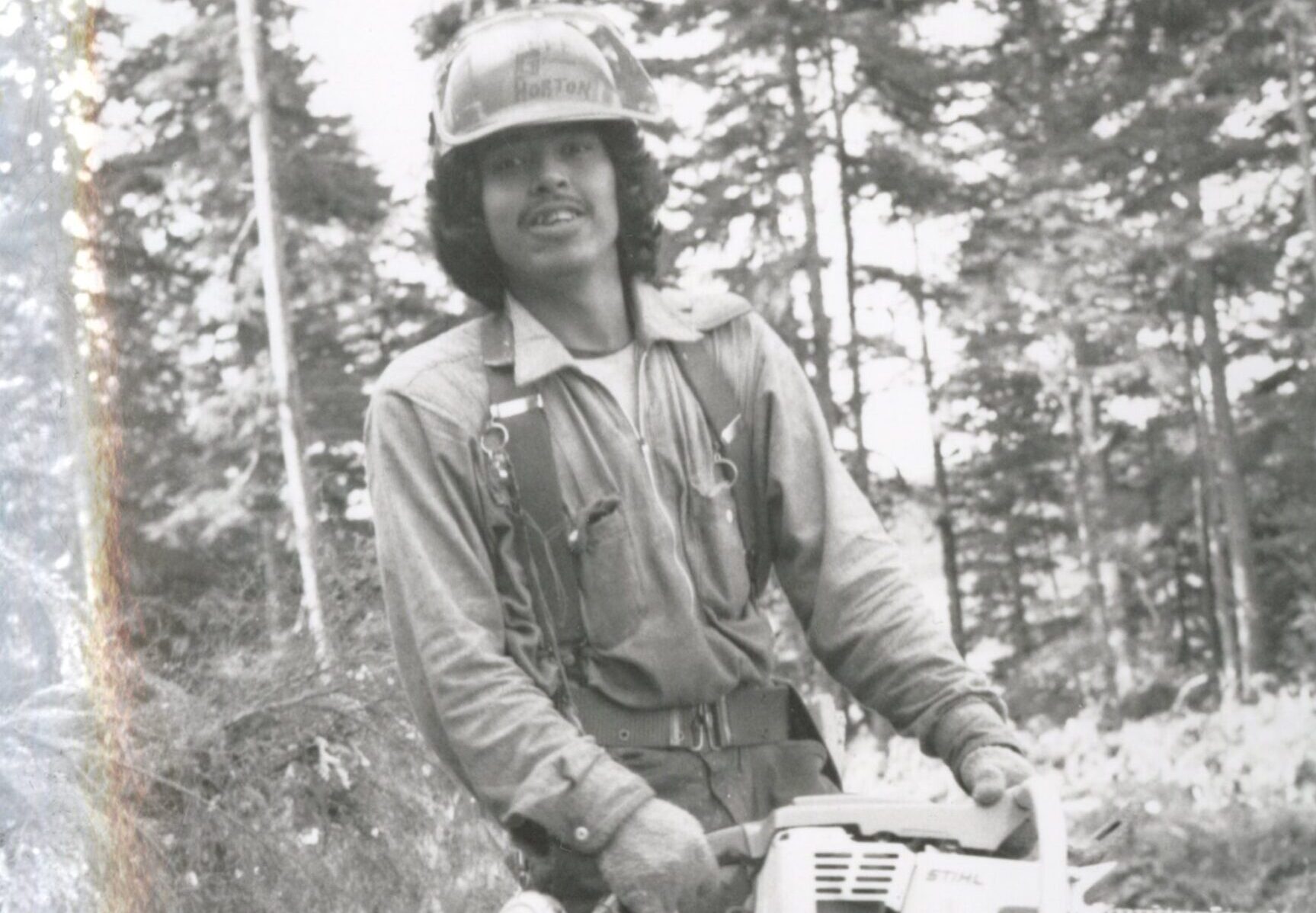
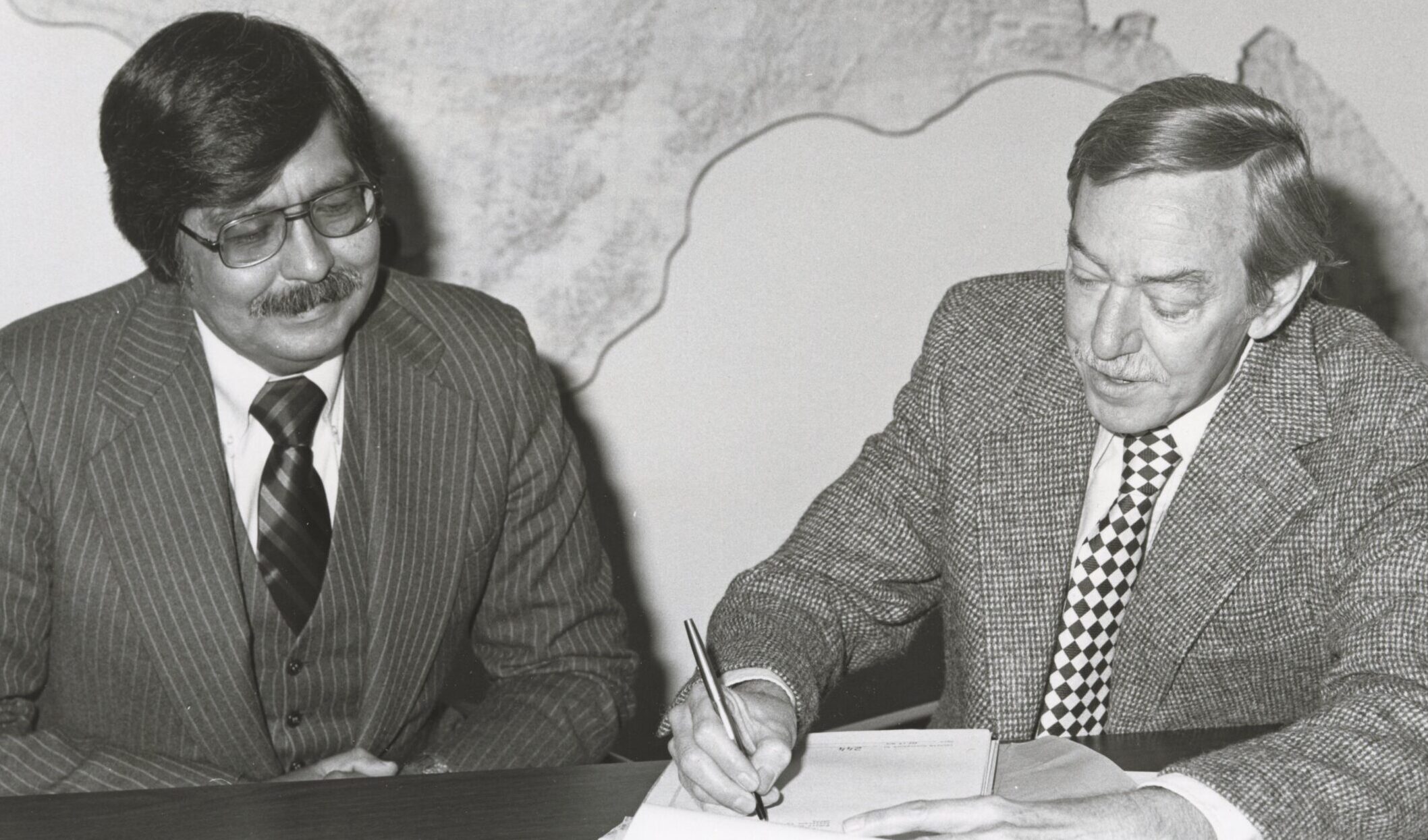
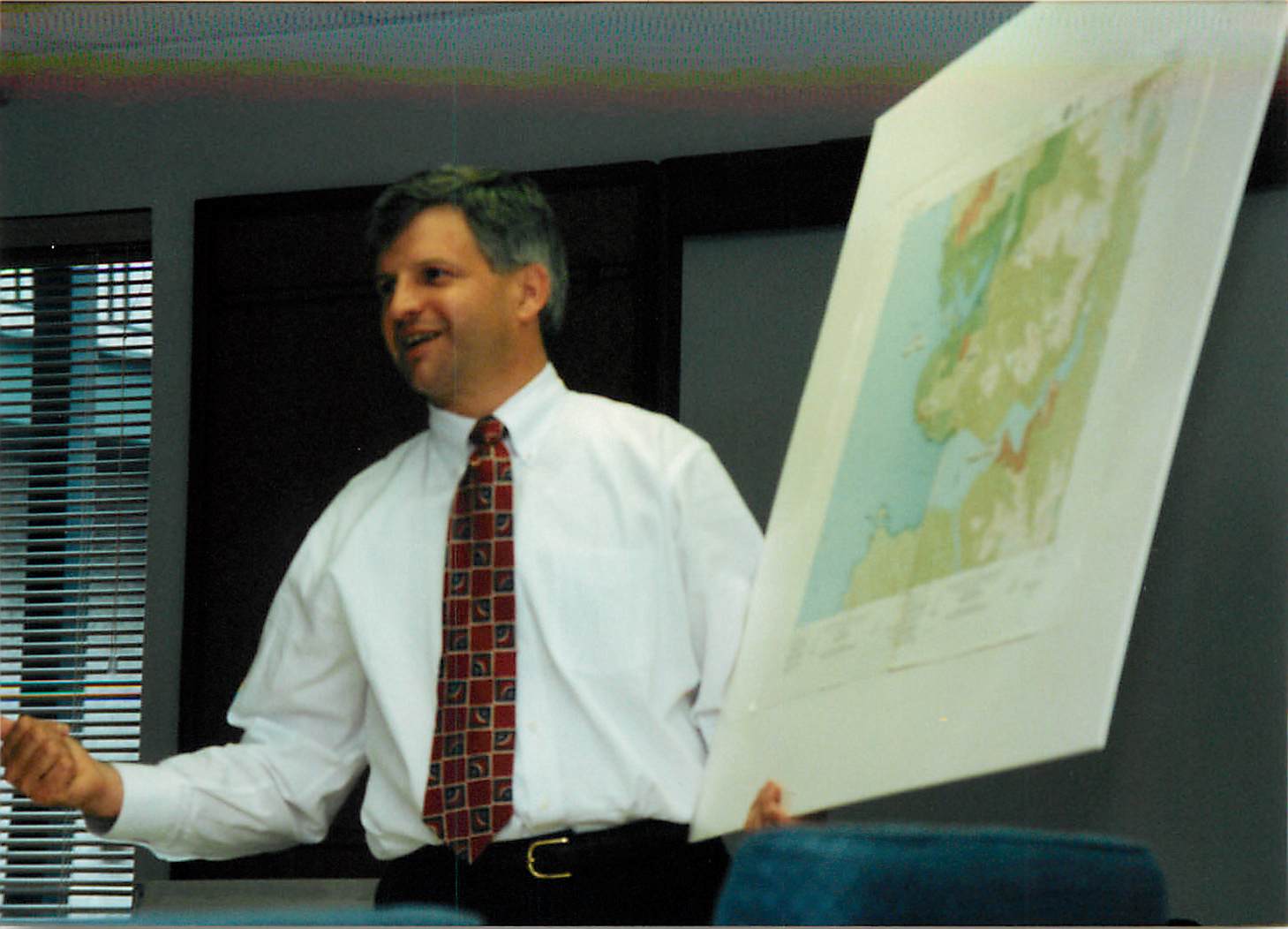
After organizing the corporation, the first order of business was to make land selections. In the search for high quality timber, Goldbelt's management looked at areas near Juneau,, and a timber consultant persuaded Goldbelt that richer stands of timber could be found on the west side of Admiralty Island.
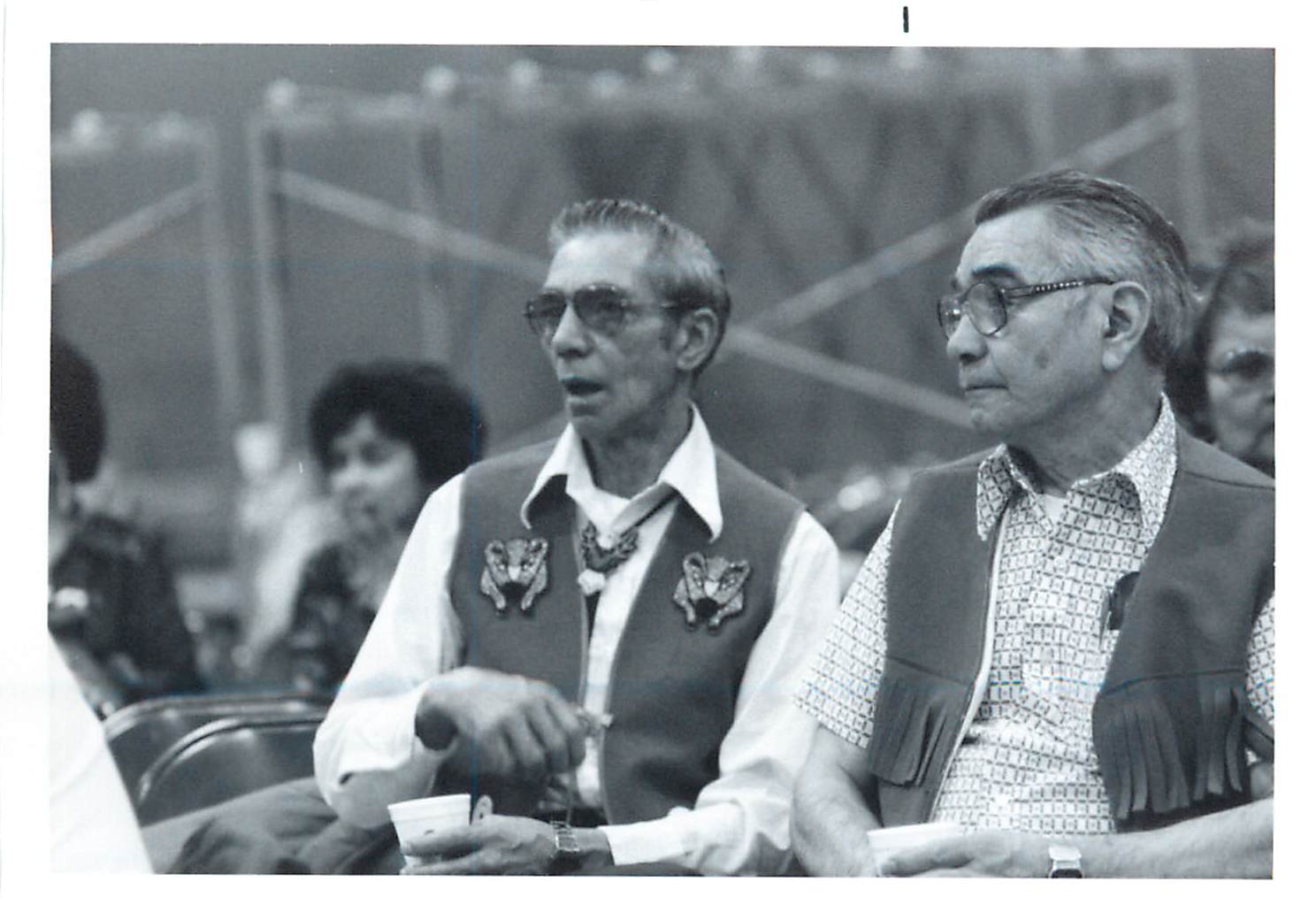
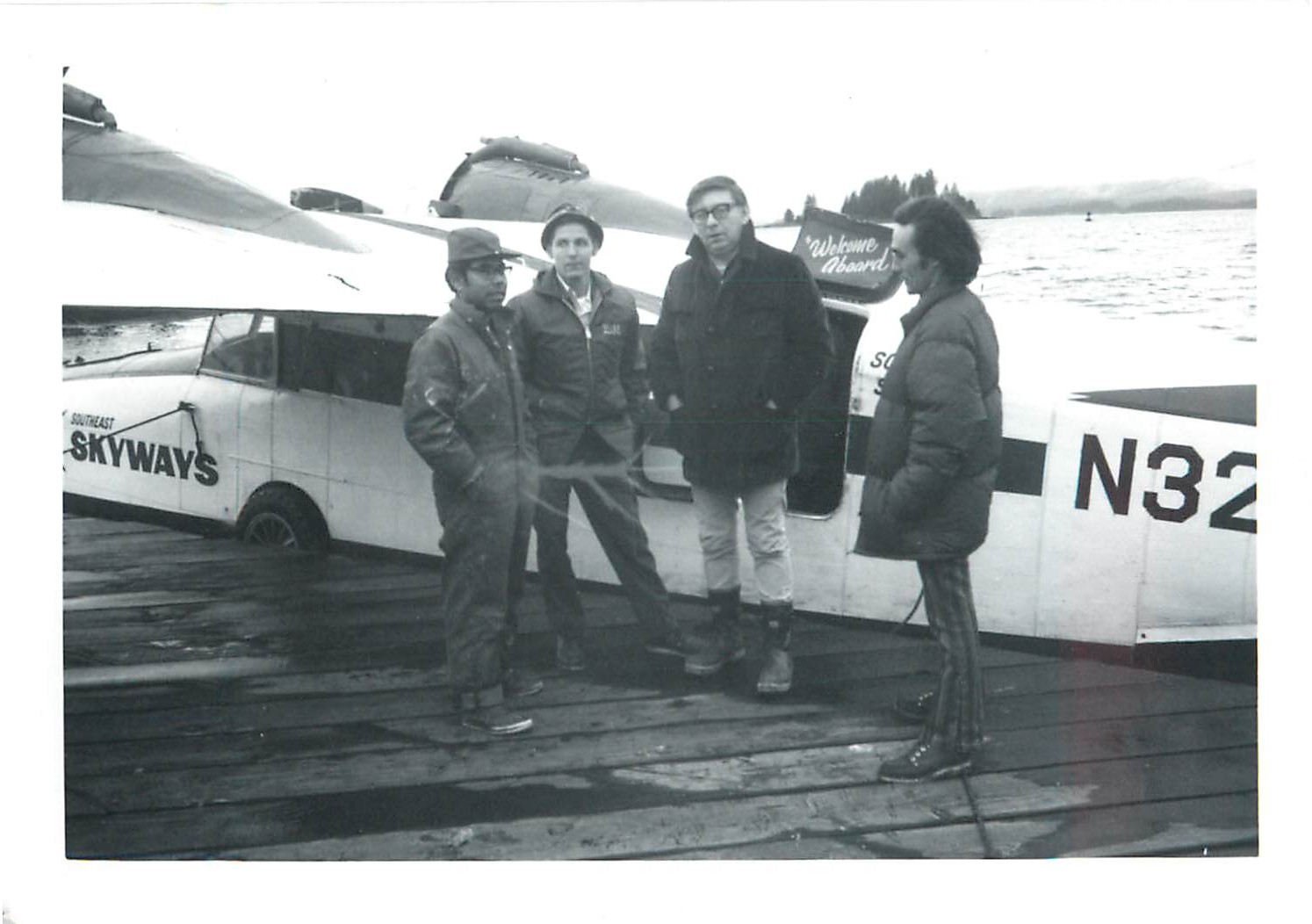
Goldbelt chose to move its selections off Admiralty Island and abandon the logging agreement after speaking to the people in Angoon and hearing how their livelihood was tied to fishing and hunting from lands and waters surrounding the village.

Once the decision was made to select lands off Admiralty Island, the Goldbelt Board of Directors focused on identifying suitable areas within a 50-mile radius of Juneau. Hobart Bay and Port Houghton were within their horizon, with many valuable resources including timber.
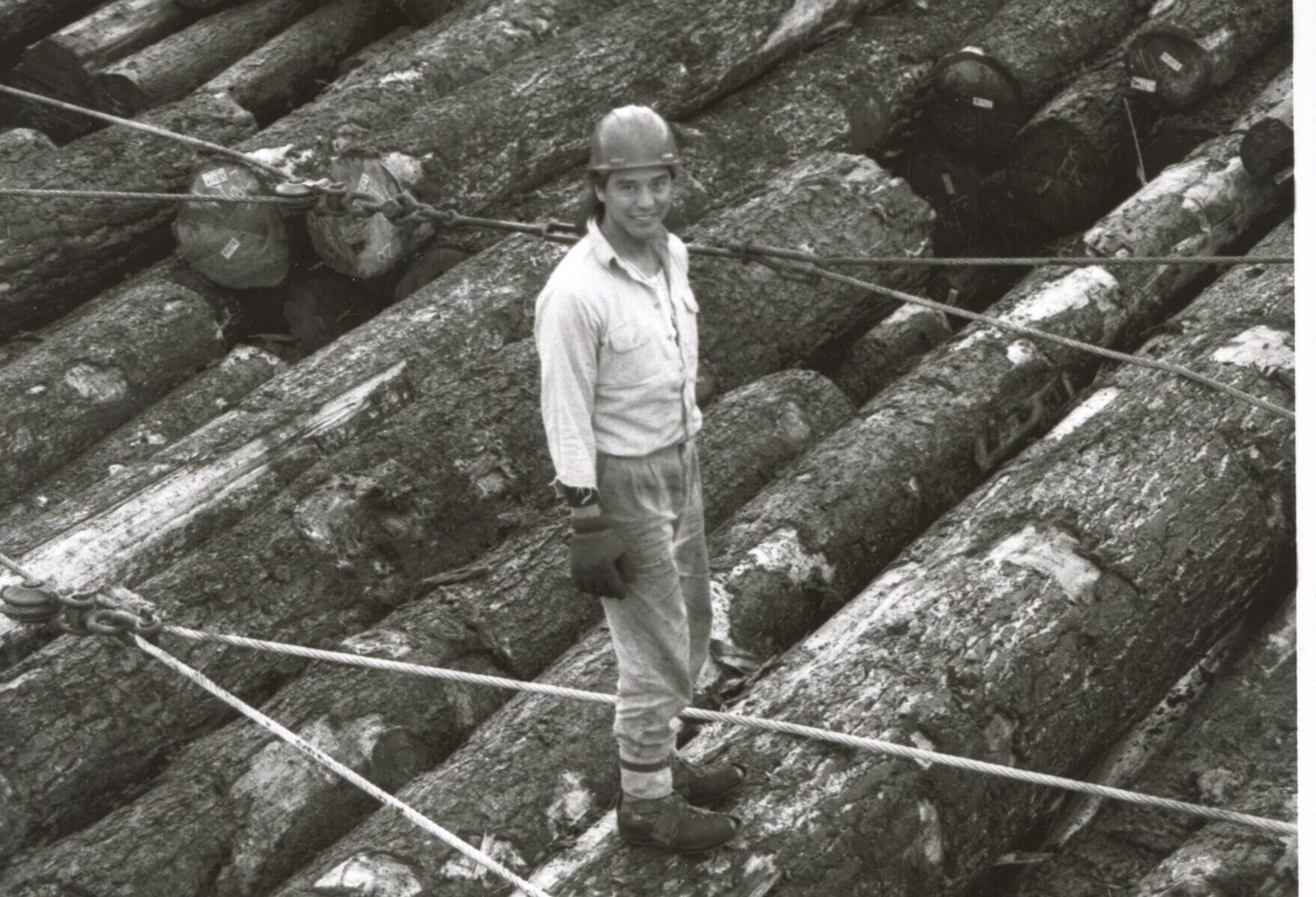
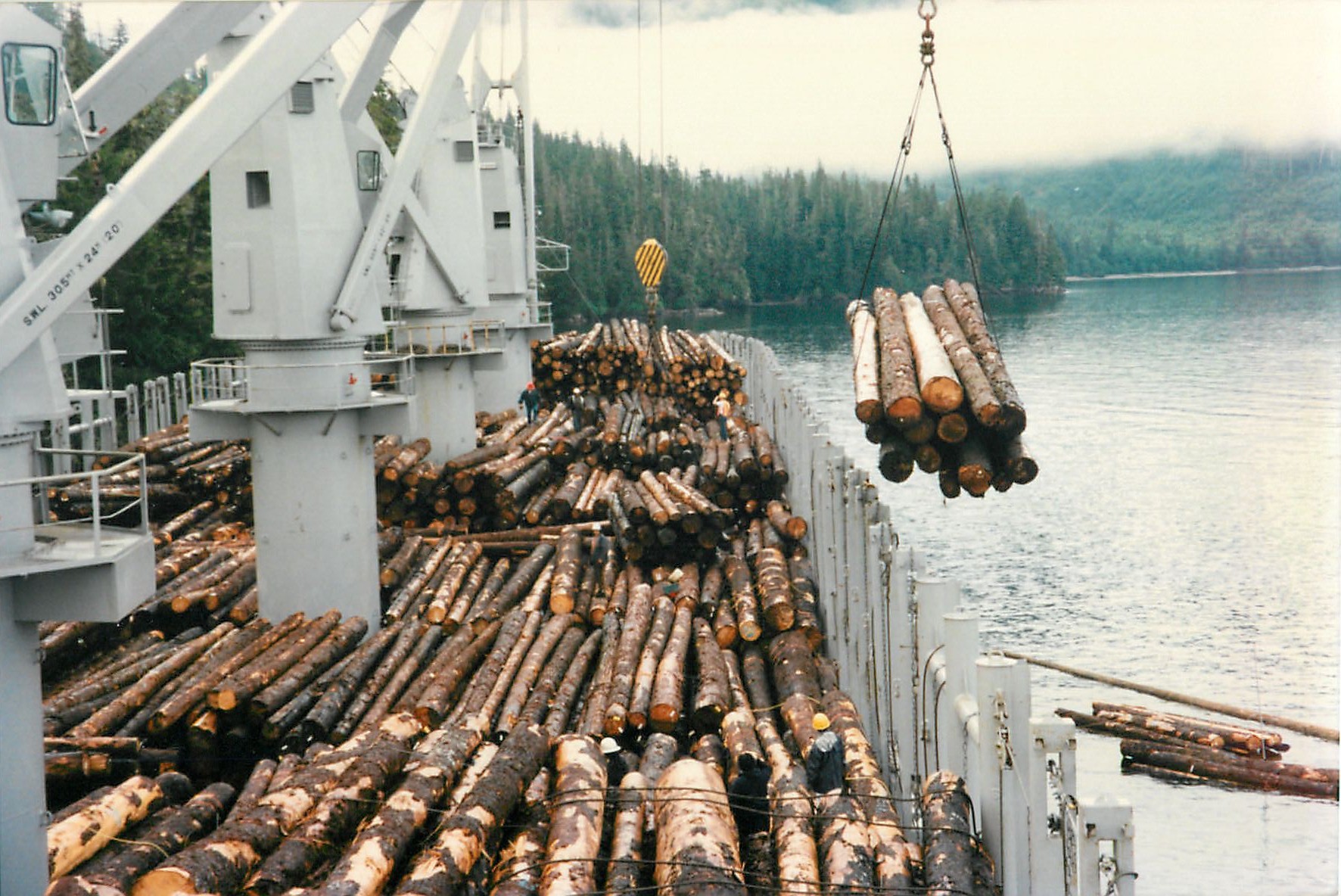
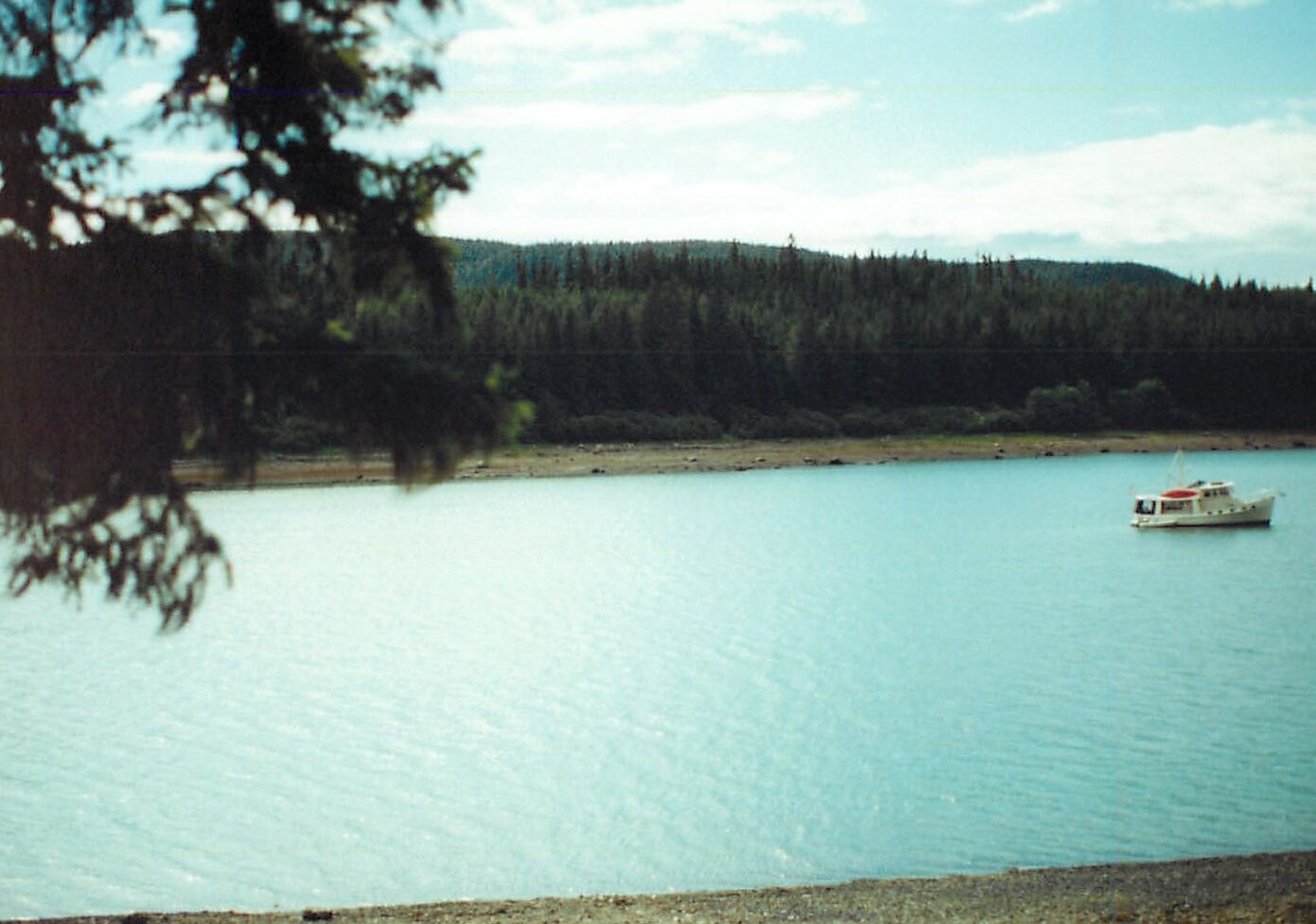
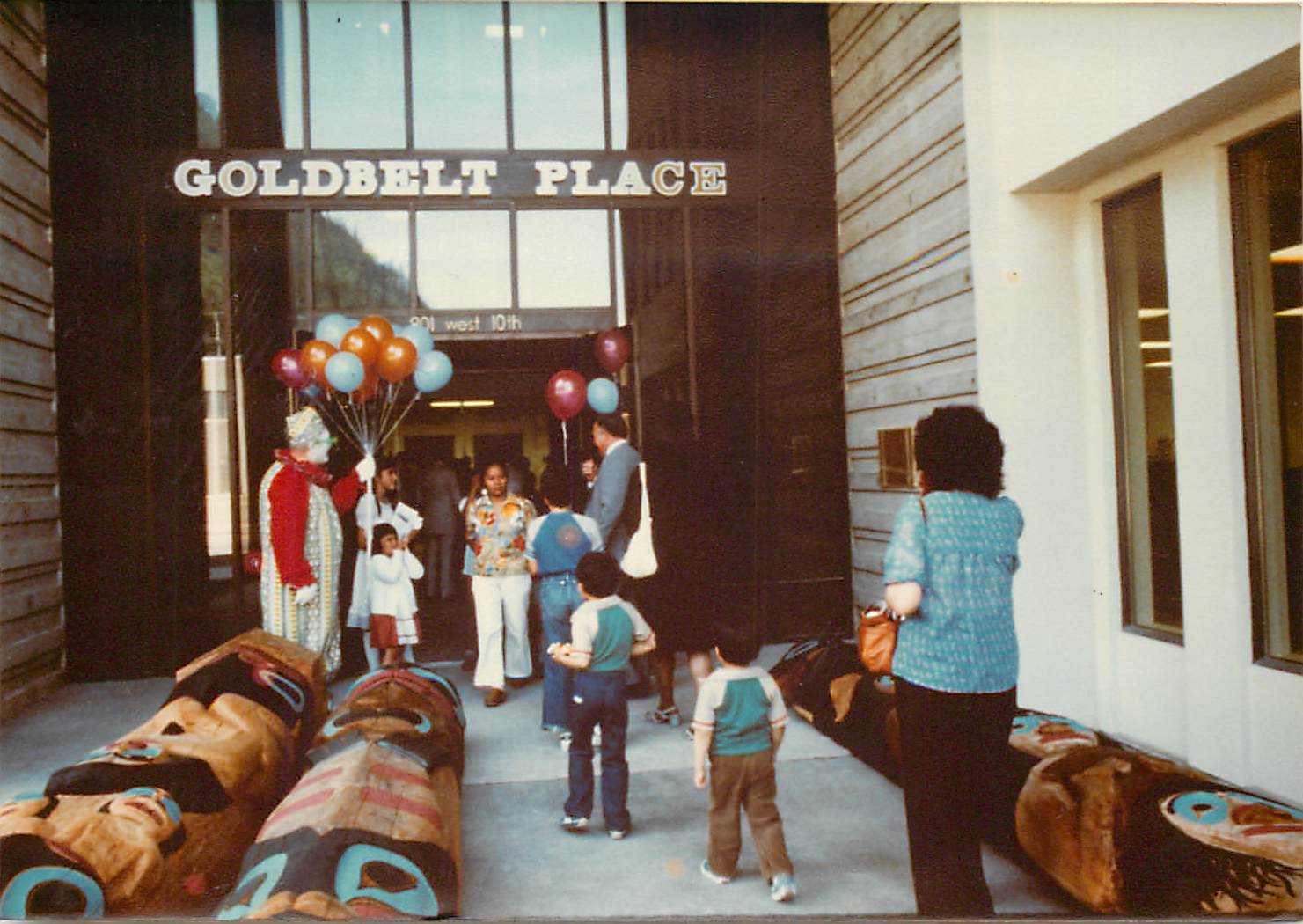

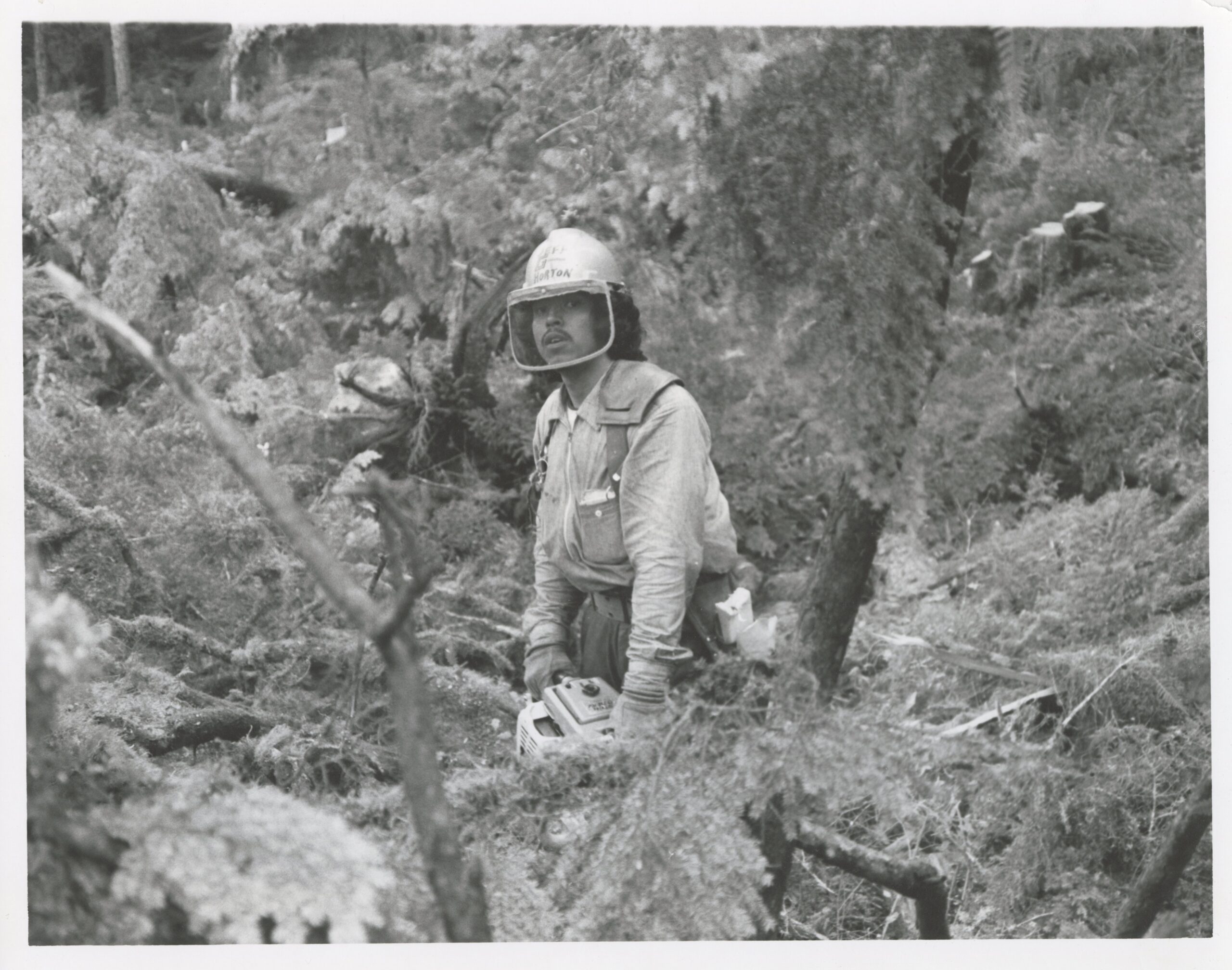
In March 1982, Goldbelt embarked on logging operations in Hobart Bay. With the expertise of skilled loggers and the utilization of advanced forestry practices, Goldbelt began the process of sustainable harvesting timber from its lands.
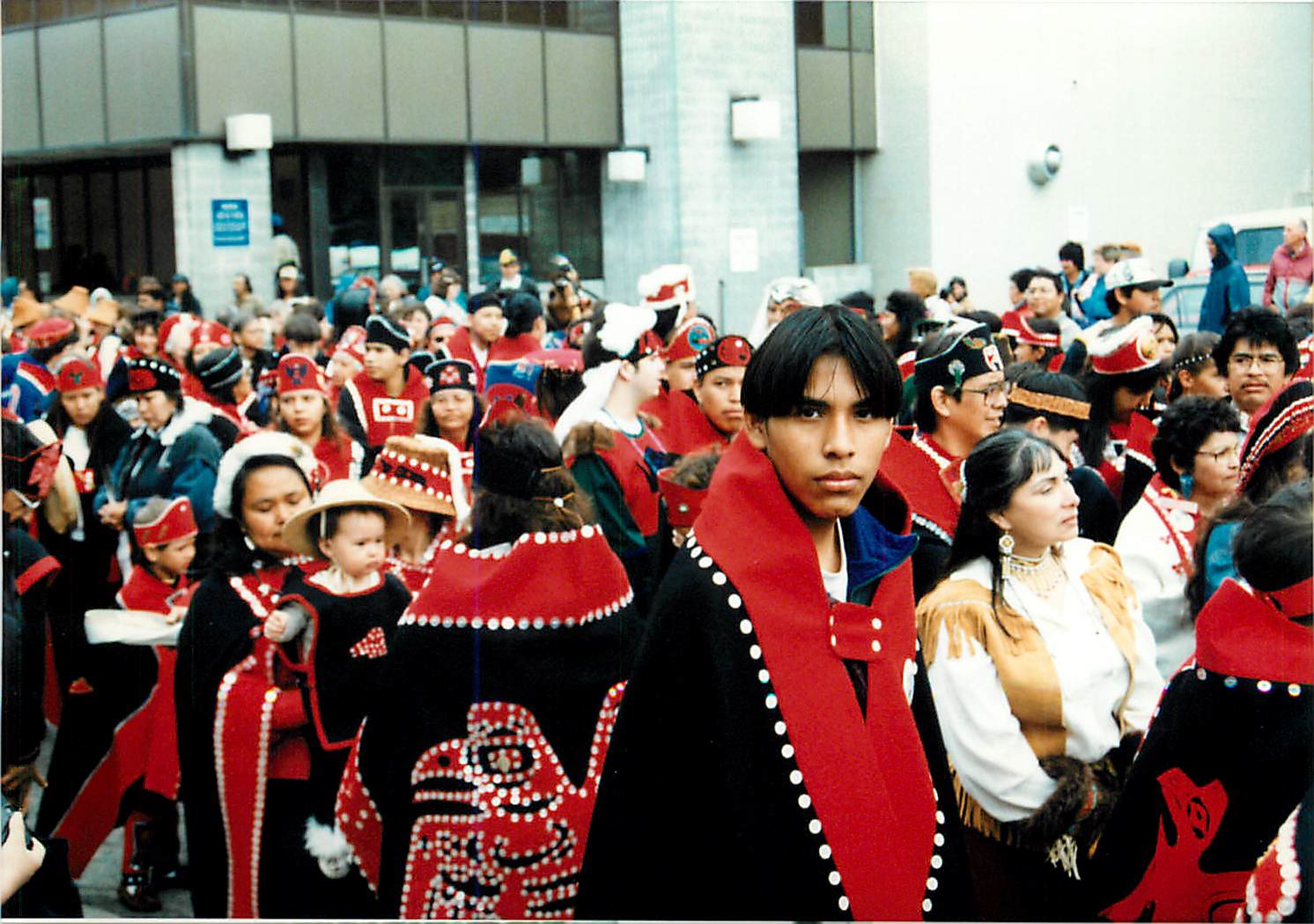
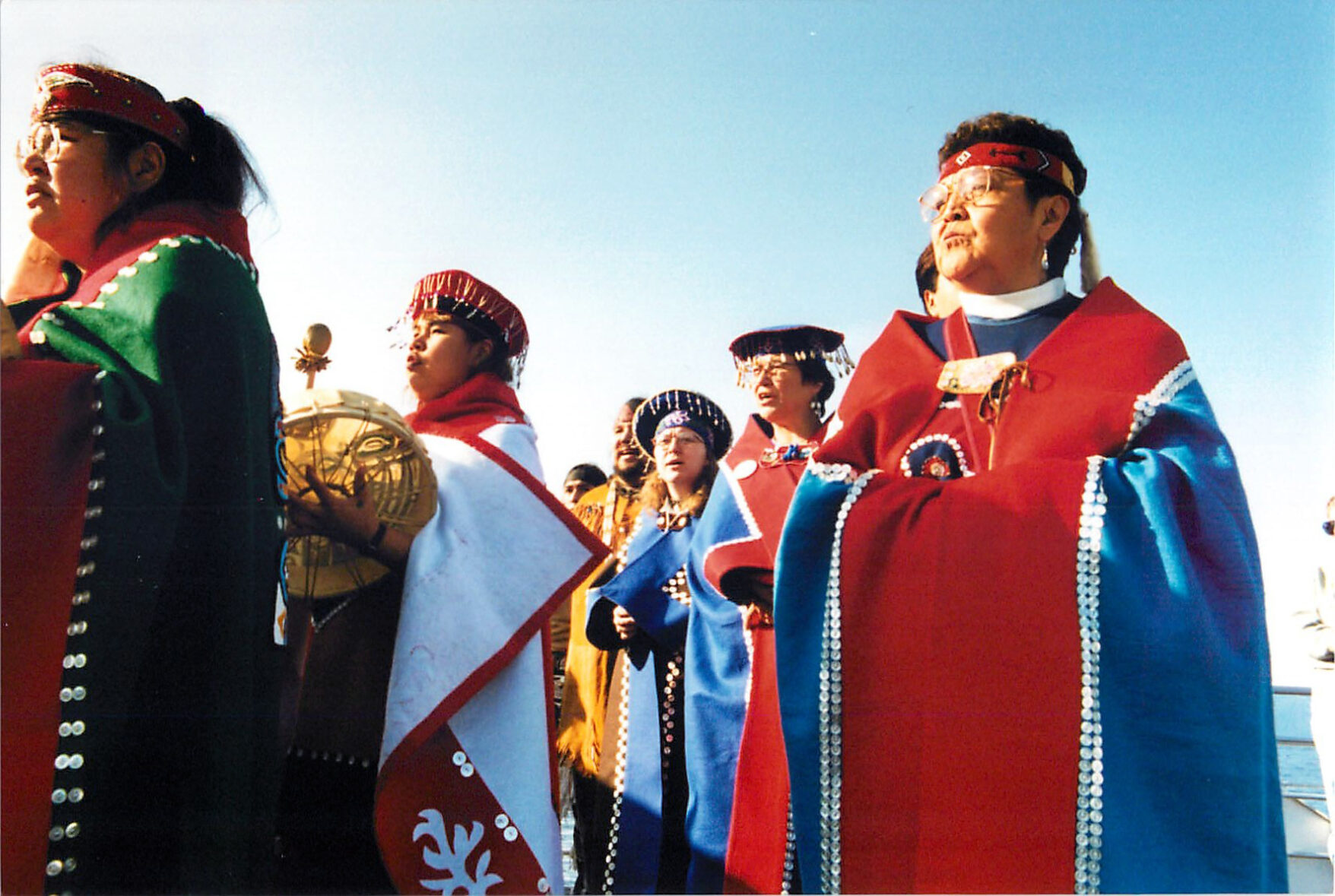
From June 5–9 in 1982, Sealaska initiated Celebration, a festival dedicated to the revitalization of Tlingit, Haida, and Tsimshian heritage. At the time, these cultures were emerging from a period of suppression, with concerns that ancestral traditions were fading. Celebration's evolved into a powerful event held biennially in June.
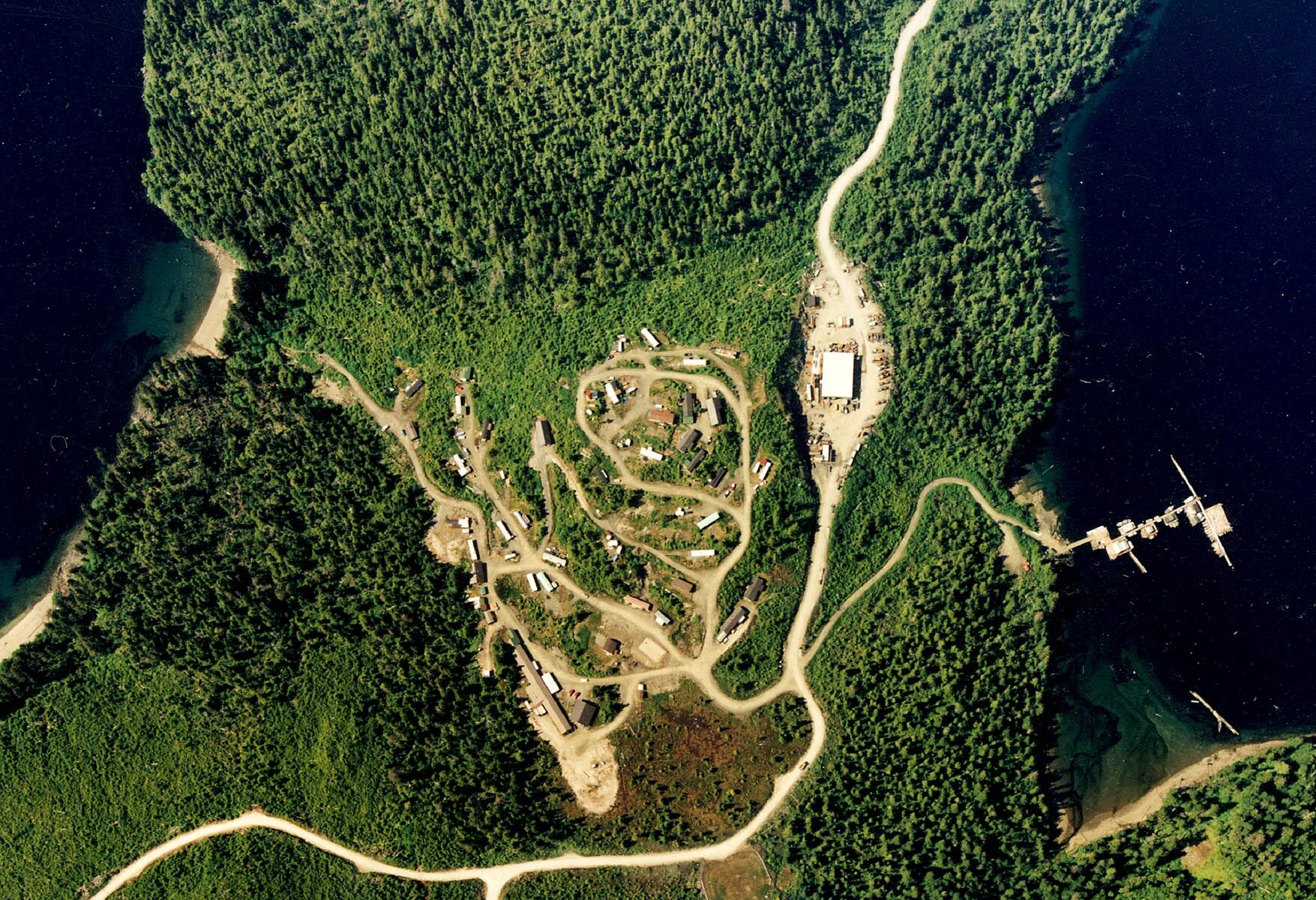
Goldbelt signs a cost-sharing agreement with the U.S. forest service to build roads at the Hobart Bay logging site.


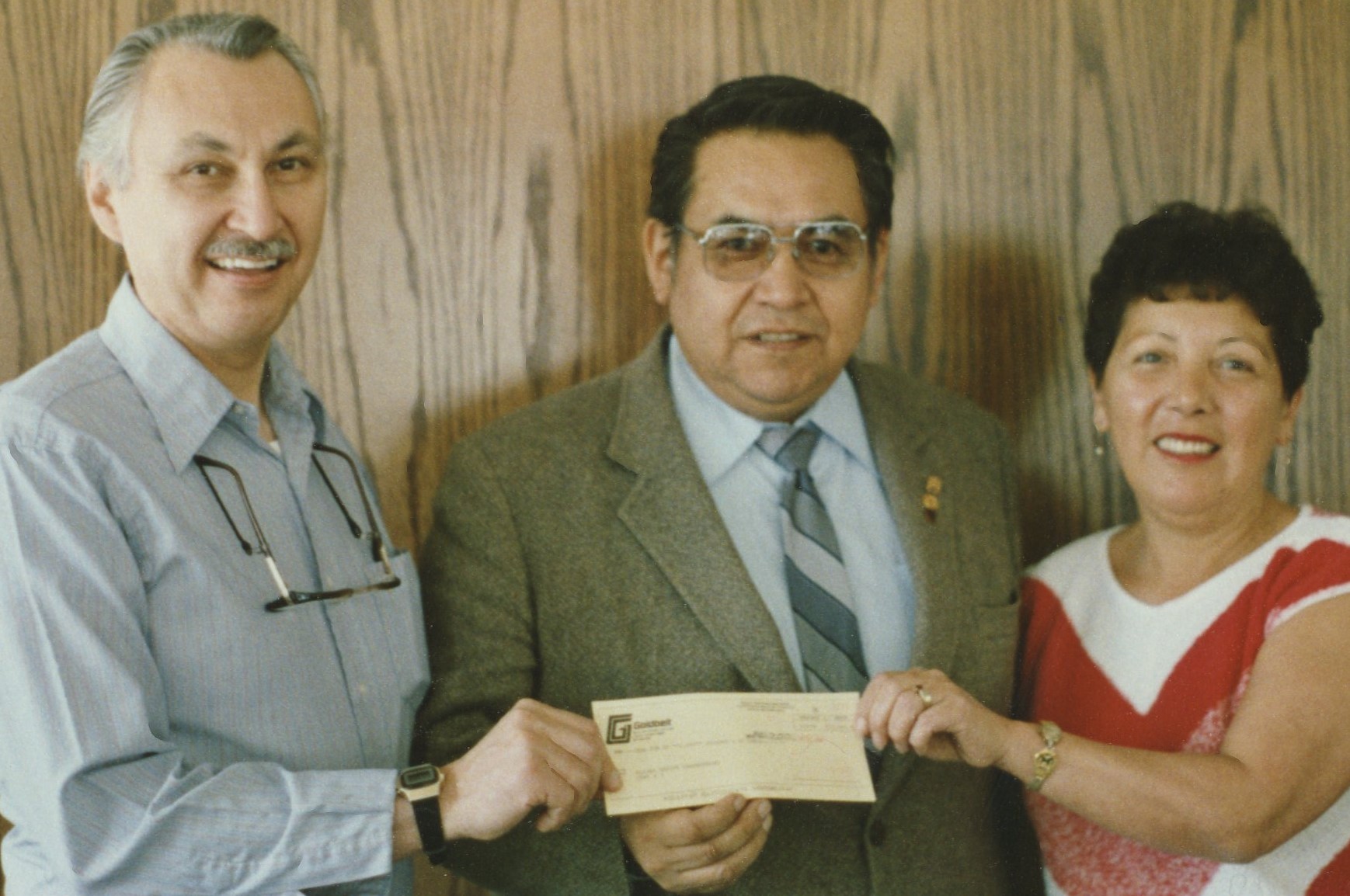

On February 3, 1988, President Ronald Reagan signed the “1991 Amendments” made to ANCSA. These amendments addressed concerns that arose after the initial implementation of ANCSA, which included: gifting of shares, protection of corporate lands, new classes of shareholders, and settlement trusts.
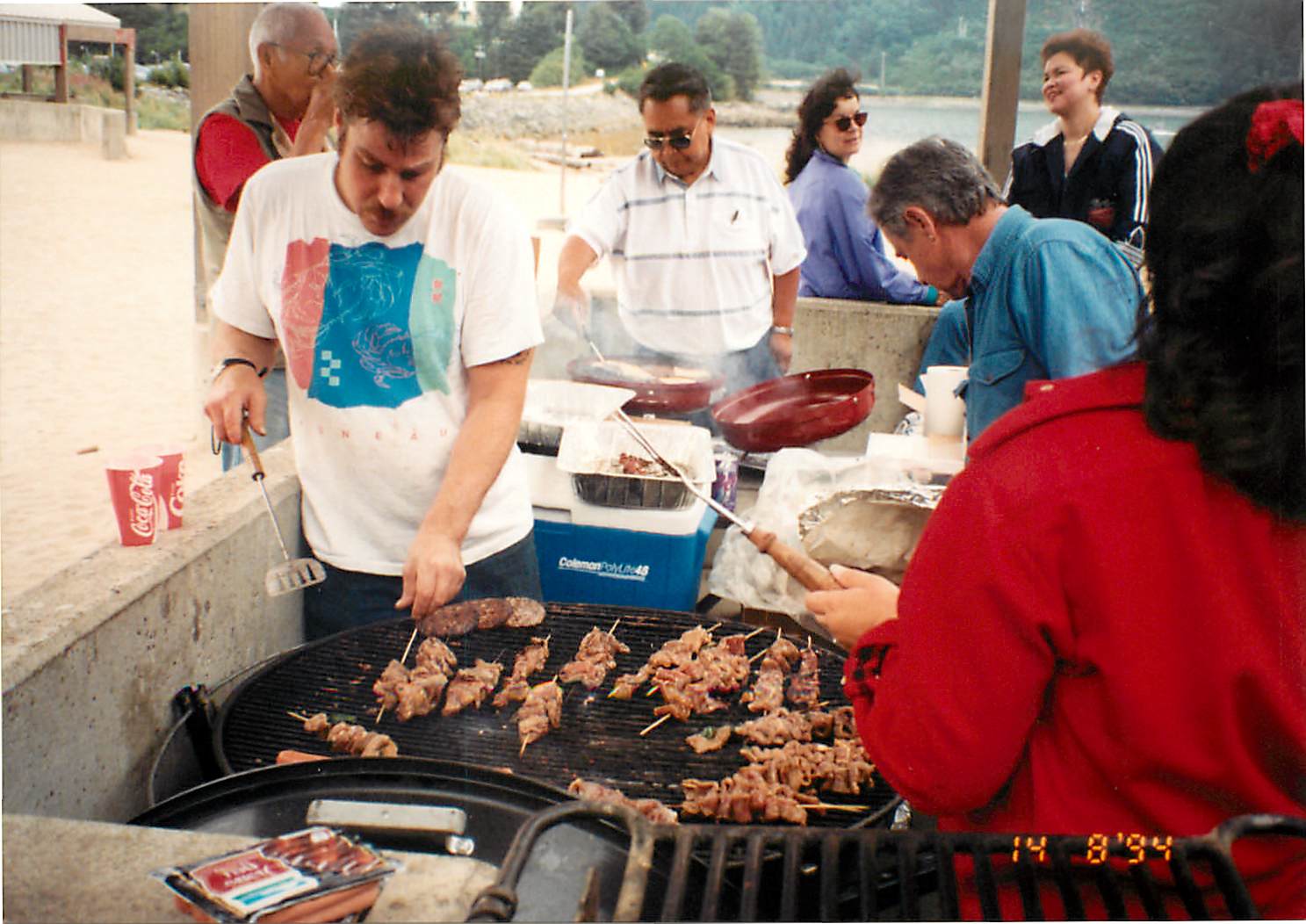
New President & CEO Joe Beedle’s first months were dedicated to organizing shareholder focus groups and working with the Board to create a new mission statement, which led to the detailed strategic plan called Vision2000.
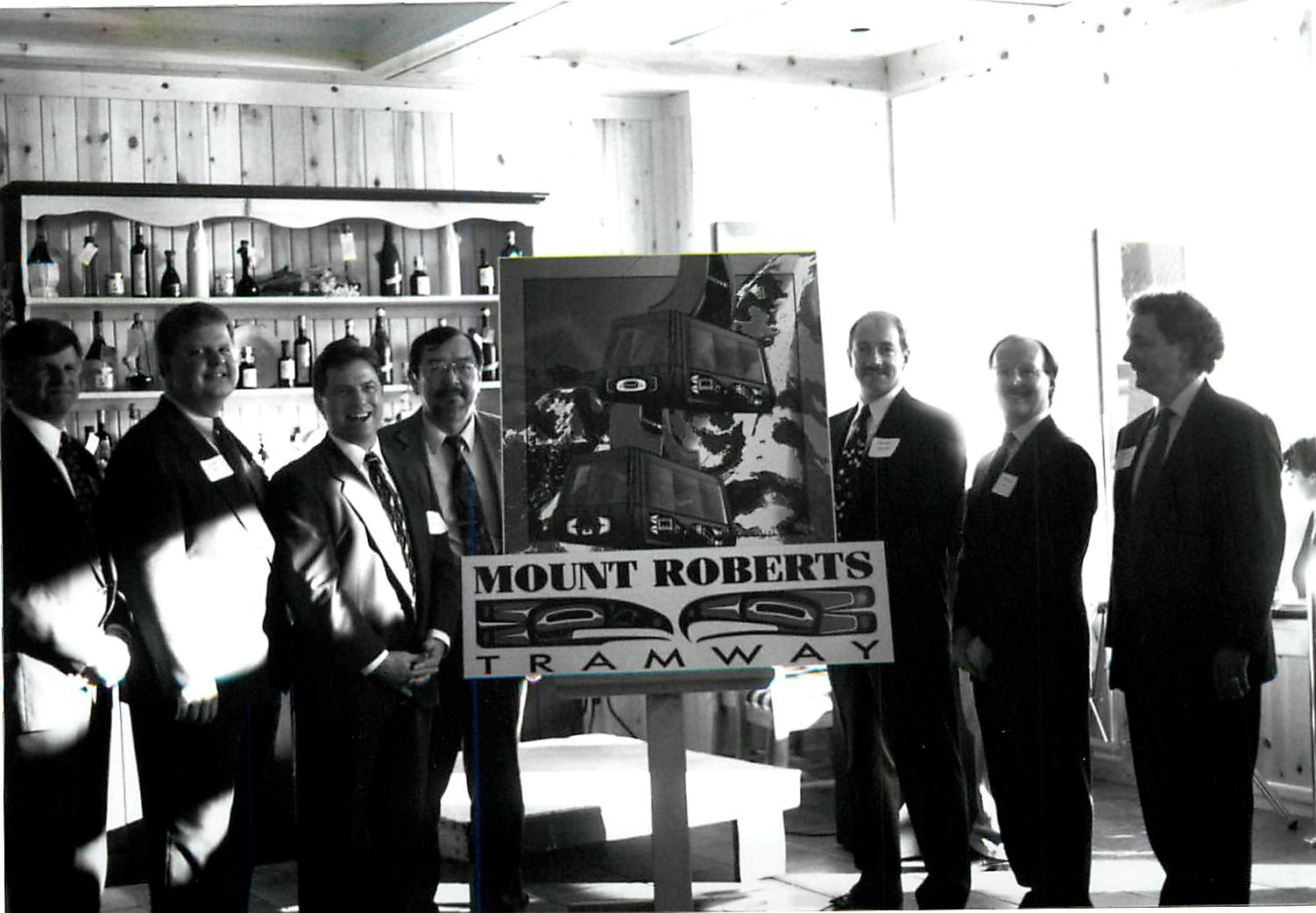
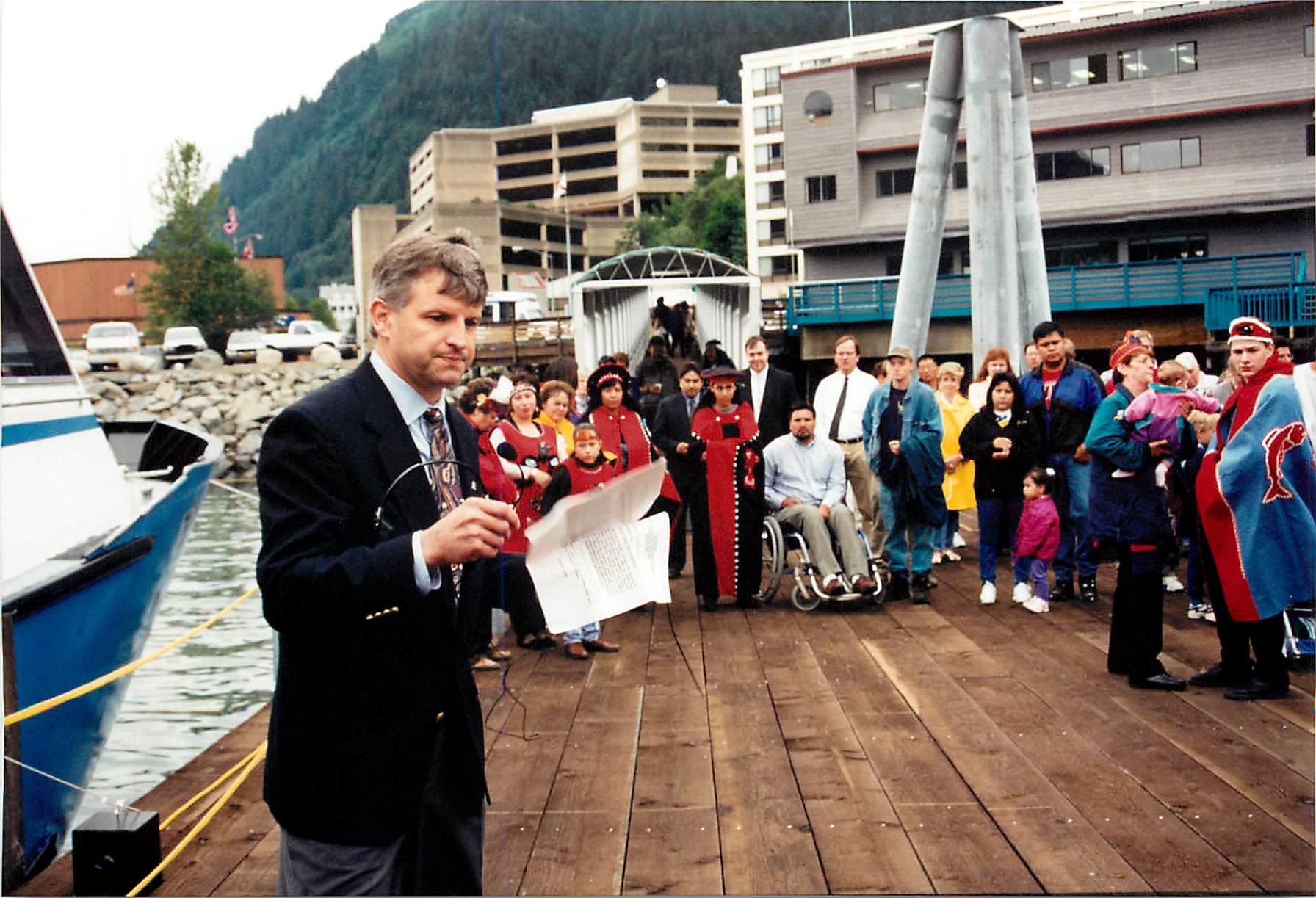
On May 17, 1996, Juneau's tramway opened at the 1,760-foot mark of Mount Roberts. The 15,000-square-foot upper terminal, including a theater, cultural exhibits, shops, and a restaurant, was planned to open the next summer. The project cost $14 million, with two 60-passenger cars, one Ch’aak’ (Eagle) and Yeil (Raven).

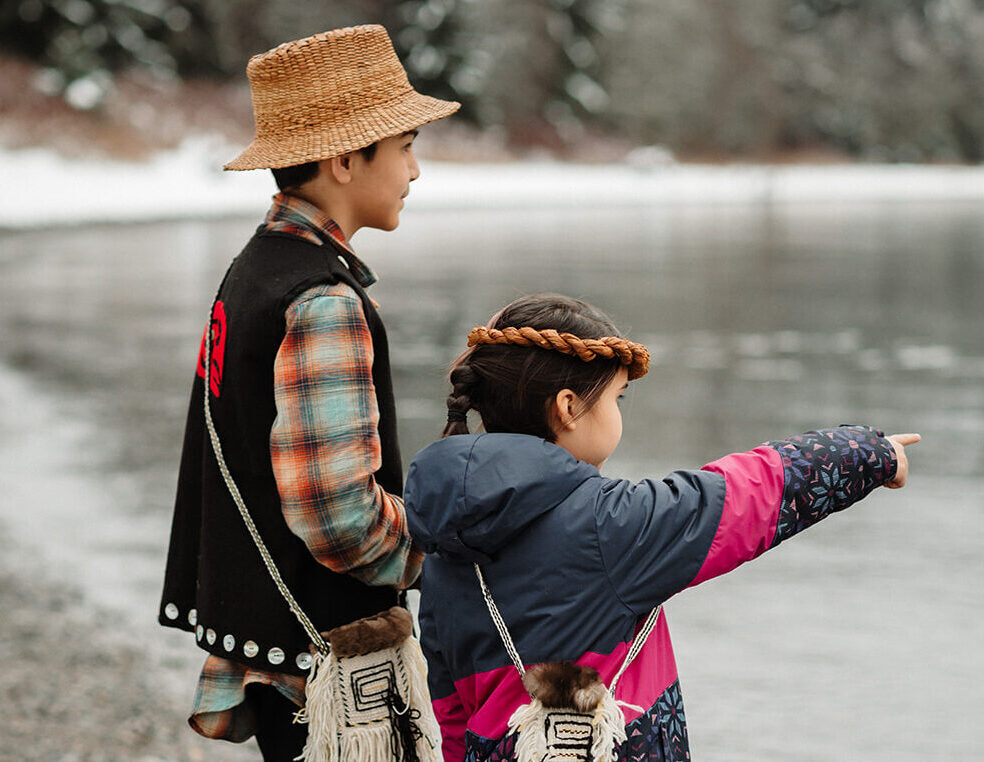
Board approved new scholarship programs to be administered through the Tinaa Distributions Trust
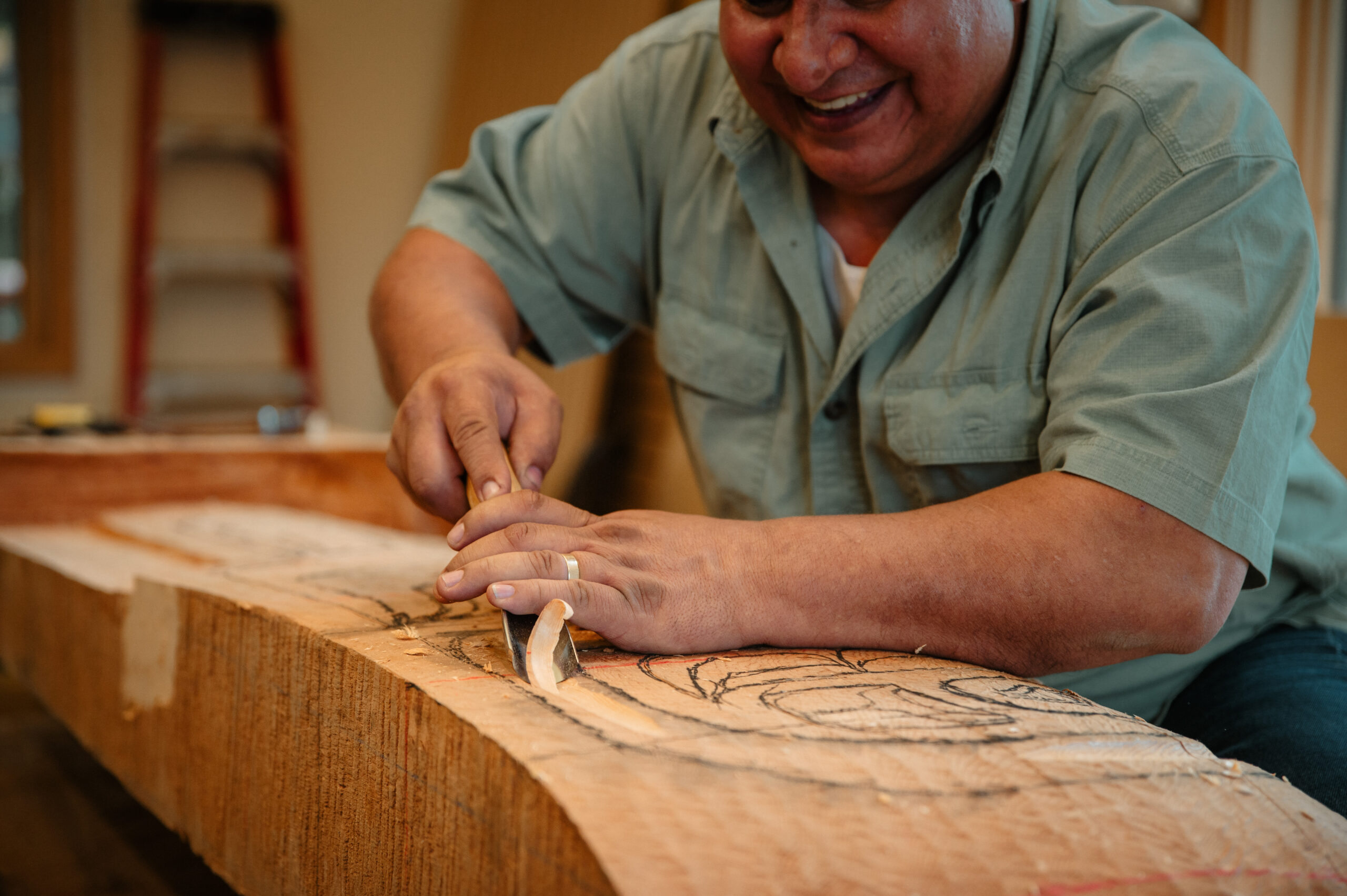
Goldbelt launched the digital Shareholder Business & Artist Directory, which serves as a bridge to connect shareholders, businesses, and those who wish to support Native business owners.